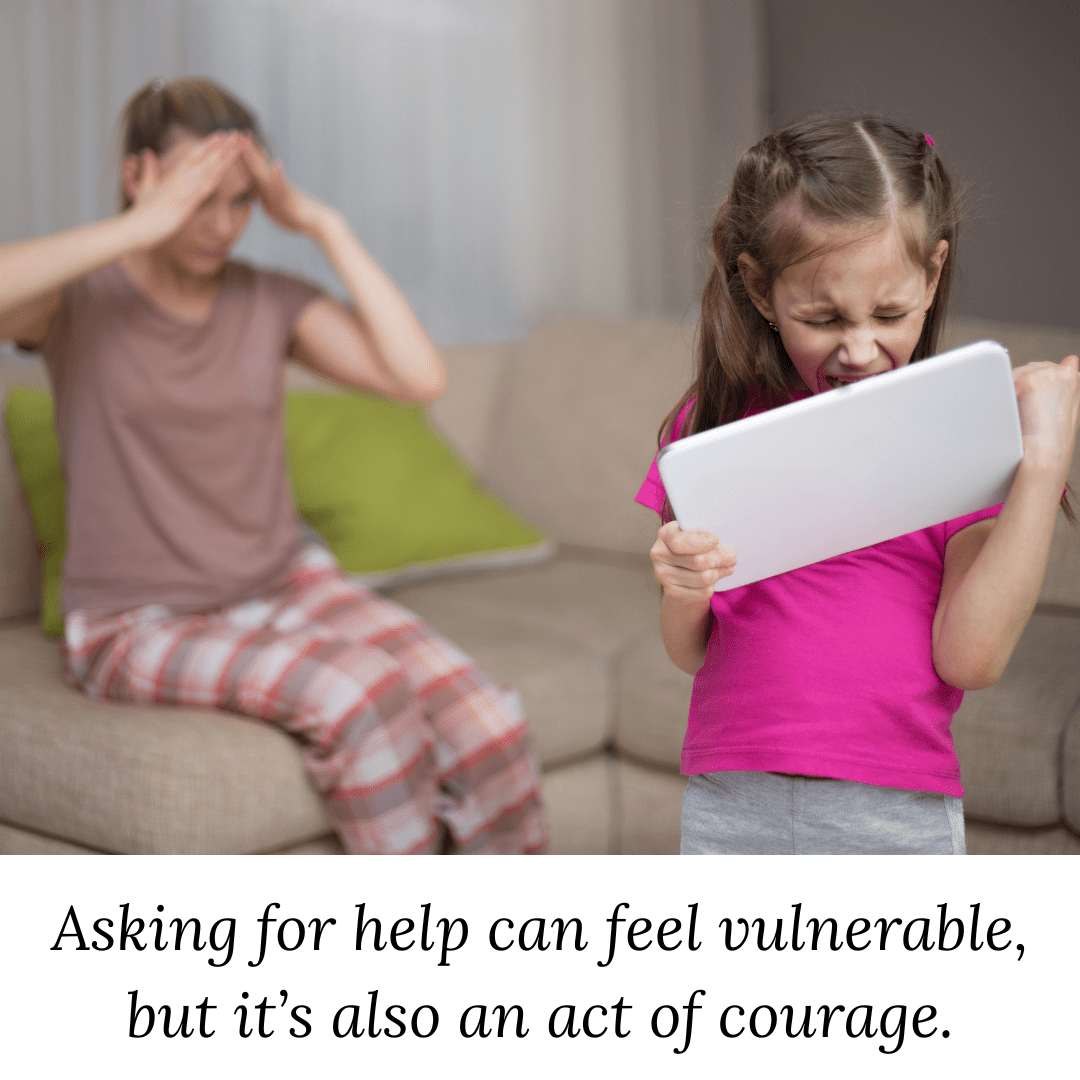
“I hate you, and I hate it here!!”
So many parents and caregivers can relate to that feeling that something just isn’t right. Whether you see emotional outbursts, motor skill delays, plummeting grades, or a concern that you never could have anticipated, when your child is struggling and you don’t know what to do, it’s easy to feel lost. Even if your community has ample resources, when you don’t quite know what you need or where to turn to find it, it’s easy to feel stuck.
A starting place
When you have a concern, asking questions at sick or well visits with your pediatrician can be a good place to start. If you don’t want to share a concern in front of your child, ask if there’s a way to spend a few minutes with your pediatrician without your child present or request a consultation appointment so you can carefully assess medical and developmental concerns. By asking more questions, you may get clarity and referrals from a doctor who knows your child and your family.
In addition to pediatricians and specialists, programs like Help Me Grow and Early Childhood Intervention are excellent for addressing developmental concerns.
For school-aged children, we encourage families to communicate with school counselors and administrators when challenges arise. Schools have access to valuable resources and are committed to helping every child succeed—but they can only help when they’re aware of the need.
Do you have a dedicated spot for emergencies?
In addition to 911, having some resources posted where you can access them easily makes all the difference in a stressful situation. If you haven’t yet, put these numbers somewhere that you can quickly find them, should a need arise unexpectedly:
- Poison Control: 800-222-1222,
- National Suicide Hotline: 988
- Tarrant County MHMR’s iCare Mental Health Crisis line: 800-866-2465
If recommendations from your pediatrician or school counselor don’t feel like enough, consider utilizing a resource like 211 Texas. This community resource connects families to a wide range of services, ranging from food and shelter to substance use or mental health support.
At Lena Pope, we understand how challenging it can be when something feels off in the life of your child. That’s why we’re committed to supporting families, caregivers, and children with a strong foundation for lifelong success.
Our counseling team offers a wide range of services, including talk therapy, substance use groups, and specialized programs for youth who have exhibited problematic sexual behaviors. We also provide play therapy, a proven method for helping young children express emotions when they don’t have enough words to describe their feelings. Our Early Learning Centers focus on building social-emotional skills that make a lasting impact, and our behavior intervention programs help children and teens recover from setbacks and move toward brighter futures.
We’re especially proud of our newest initiative: Rooted Together. This suite of offerings includes keynote speaker events, family and community support, and a podcast launching in early 2026, all of which are designed to strengthen the network of care around children and families.
Asking for help can feel vulnerable, but it’s also an act of courage. When families reach out, they discover they’re not alone. Together, we can build a community where every child has the opportunity to thrive.